
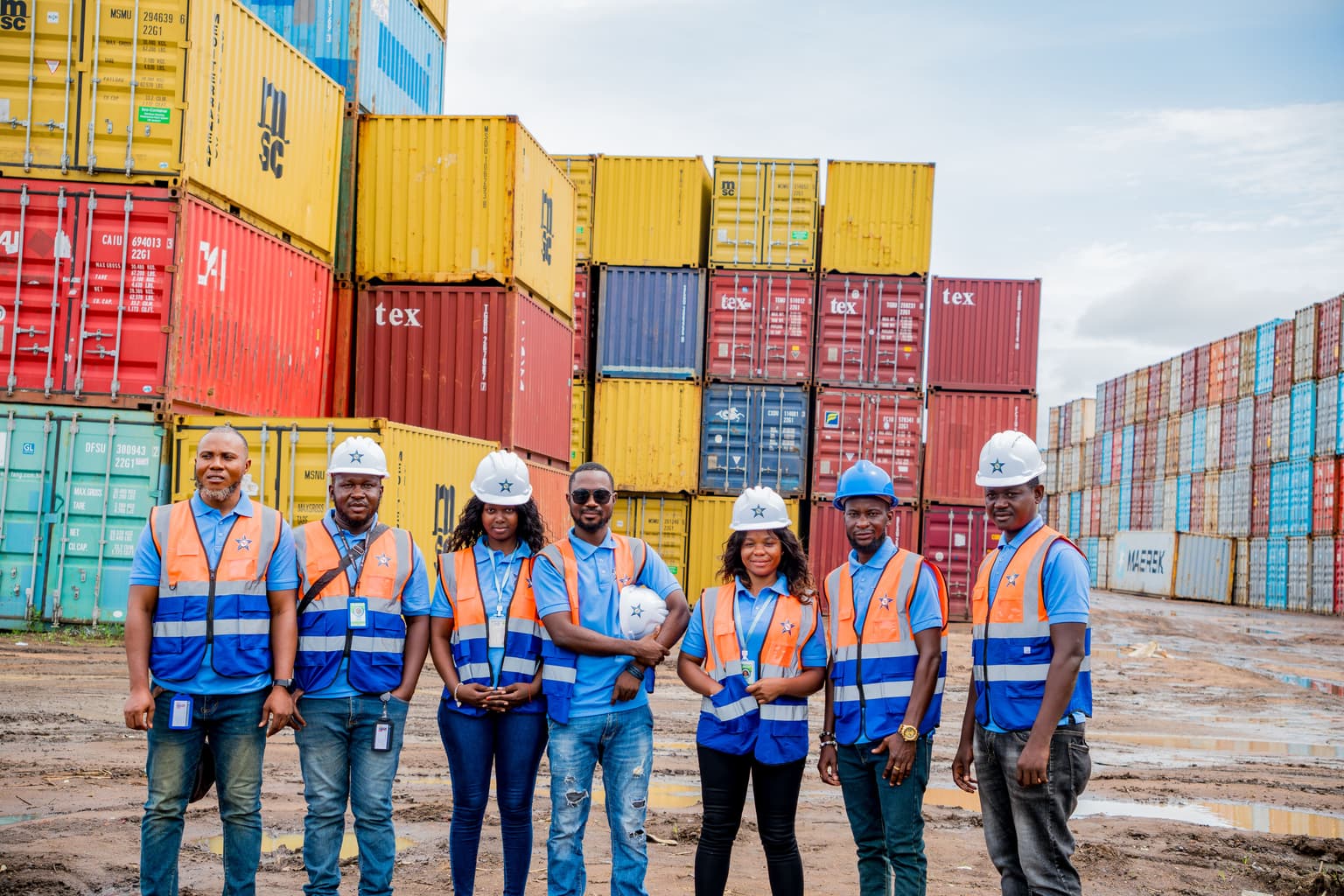
Importing goods into Sierra Leone? Learn how customs clearance, shipping documents, and cargo release work in Freetown, and how proper preparation helps businesses avoid delays and extra costs at port
Clearing and Forwarding in Freetown: What Importers Need to Know Before Their Cargo Arrives
Importing goods into Sierra Leone is an important part of doing business, whether you are bringing in commercial merchandise, construction materials, machinery, or other essential supplies. However, getting your cargo shipped to Freetown is only one part of the process.
Before imported goods can reach their final destination, they must go through customs clearance and any applicable port or airport cargo-release procedures.
For businesses unfamiliar with these requirements, missing documentation, incorrect declarations, and poor shipment planning can create unnecessary delays and additional expenses.
Understanding clearing and forwarding in Freetown can help you prepare your shipment properly, manage expectations, and make informed decisions before your cargo arrives.
1. What Is Clearing and Forwarding?
Although the terms are frequently used together, customs clearing and freight forwarding involve different responsibilities.
Customs clearing is the process of completing the formalities required for goods to enter a country legally. In Sierra Leone, this includes preparing customs declarations, providing supporting documentation, determining applicable duties and taxes, and obtaining customs authorization for cargo release.
Freight forwarding involves coordinating the movement of goods from one location to another. Depending on the service arrangement, this may include shipment planning, carrier coordination, documentation, cargo handling, and onward transportation.
For example, a business importing machinery through Freetown may need assistance preparing customs documentation, coordinating with shipping agents, obtaining cargo release, and arranging delivery to its premises.
Working with an experienced clearing and forwarding provider can help coordinate these activities and reduce avoidable administrative complications.
2. How Does the Customs Clearance Process Work in Freetown?
Customs clearance in Sierra Leone is administered by the National Revenue Authority (NRA), through its Customs and Excise Department.
The country uses ASYCUDA World, an electronic customs management platform that supports declarations and related customs procedures.
Although requirements vary according to cargo type, shipment arrangements, and customs decisions, the general process involves the following stages.
Step 1: Cargo Arrival Notification
The shipping line, airline, or relevant cargo agent provides shipment information and arrival documentation.
Importers should begin preparing their documents before the cargo arrives rather than waiting until it reaches Freetown.
Step 2: Documentation Preparation
The importer or appointed clearing agent gathers the documents needed to support the customs declaration.
These documents must accurately describe the goods, their quantities, values, origin, and transportation arrangements.
Step 3: Customs Declaration
An authorized declarant submits the relevant customs information through ASYCUDA World.
The declaration identifies the goods and provides the information required for customs classification, valuation, and assessment.
Step 4: Duty and Tax Assessment
Applicable duties, taxes, and other statutory charges are determined based on the shipment's classification, customs value, origin, and relevant legal provisions.
Step 5: Customs Verification
Customs may conduct documentary checks, scanning, physical inspection, or other risk-based verification.
Not every shipment requires the same examination.
Step 6: Cargo Release and Delivery
Once customs requirements are satisfied and the relevant release authorizations are issued, the importer or appointed representative can coordinate cargo collection and onward transportation.
Importers should remember that customs release and the completion of terminal or carrier formalities may be separate requirements.
3. Essential Documents for Importing Goods into Sierra Leone
Proper documentation is one of the most important aspects of successful cargo clearance.
The specific requirements depend on the goods being imported, their origin, and the applicable regulatory framework.
Common documents include:
- Commercial Invoice: Identifies the seller, buyer, goods, quantities, and transaction value.
- Bill of Lading or Air Waybill: Provides transportation and shipment details for sea or air cargo.
- Packing List: Describes the contents, quantities, weights, and packaging of the shipment.
- Certificate of Origin: Provides information about where the goods originate, where required.
- Import Declaration Form: Supports the customs declaration process.
- Relevant Import Permits or Certificates: Required for certain regulated goods.
Businesses may also need appropriate importer registration and tax identification details.
Before shipping, confirm that the descriptions, quantities, and values are consistent across your documents.
A simple documentation review before dispatch can prevent problems that become more difficult to resolve after arrival.
4. Common Customs Clearance Delays and How to Avoid Them
Cargo clearance delays can affect business operations, inventory availability, delivery commitments, and overall shipment costs.
Some of the most common avoidable problems include:
Incomplete or Inconsistent Documentation
Differences between invoices, packing lists, and transport documents may require clarification or corrections.
How to prepare: Review shipment information carefully and resolve discrepancies before cargo arrival.
Incorrect Goods Classification
Imported goods must be classified under the appropriate Harmonized System (HS) codes.
Incorrect classification can affect duty assessment and trigger additional customs queries.
How to prepare: Obtain accurate product descriptions and seek qualified classification assistance when necessary.
Missing Regulatory Approvals
Certain goods, including selected food products, pharmaceuticals, chemicals, and agricultural products, may require additional permits or certificates.
How to prepare: Identify applicable regulatory requirements before placing or shipping an order.
Delays in Payments or Verification
Unresolved customs payments, documentary reviews, or inspections can delay cargo release.
How to prepare: Plan for applicable charges, maintain accurate records, and respond promptly to legitimate requests for additional information.
Not every delay can be prevented. Customs inspections, terminal operations, and other regulatory processes may affect release times even when documents are complete.
5. Freetown Port vs. Lungi International Airport: What Importers Should Know
Businesses importing into Sierra Leone commonly use maritime or air freight, depending on their cargo requirements.
Sea Freight Through Freetown
Sea freight is generally suitable for large-volume cargo, containerized goods, machinery, and shipments where transportation cost is a major consideration.
Cargo arriving through Freetown's seaport may involve shipping-line documentation, terminal handling, customs clearance, and container or cargo collection arrangements.
Importers should plan for potential storage and other applicable charges.
Air Freight Through Lungi
Air freight is often considered for urgent, lightweight, or high-value shipments.
Although air transportation can reduce international transit time, cargo must still satisfy applicable customs and airport handling requirements.
The most appropriate option depends on shipment size, urgency, value, handling needs, and total landed cost.
For both methods, early documentation preparation and clear communication with your logistics provider are essential.
6. How Nexus Logistics Can Support Your Clearing and Forwarding Requirements
Importing goods should not leave businesses uncertain about documentation, customs procedures, and cargo delivery arrangements.
Nexus Logistics provides a point of contact for businesses seeking clearing and forwarding support in Sierra Leone.
Whether you are preparing a commercial shipment, arranging cargo transportation, or seeking guidance on import documentation, discussing your requirements early can help establish the appropriate next steps.
Before requesting assistance, prepare a description of your goods, shipment origin, estimated arrival date, transportation method, and available shipping documents.
For more information, explore our Clearing and Forwarding Services.
Planning to Import Goods into Sierra Leone?
Contact Nexus Logistics to discuss your shipment and request a quotation tailored to your clearing and forwarding requirements.
Request a Clearing and Forwarding Quote
Disclaimer: This article provides general information about clearing and forwarding in Sierra Leone. Customs procedures, regulatory requirements, duties, and applicable charges may change or vary by shipment. Importers should confirm current requirements with the National Revenue Authority and relevant regulatory bodies.